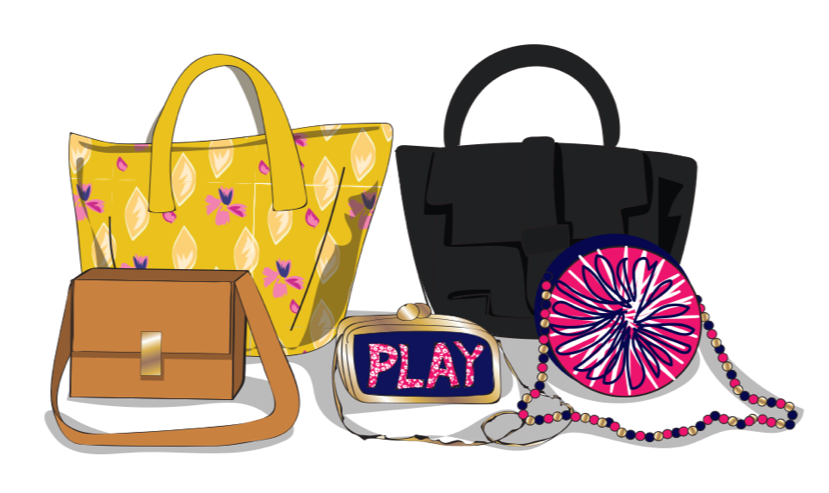

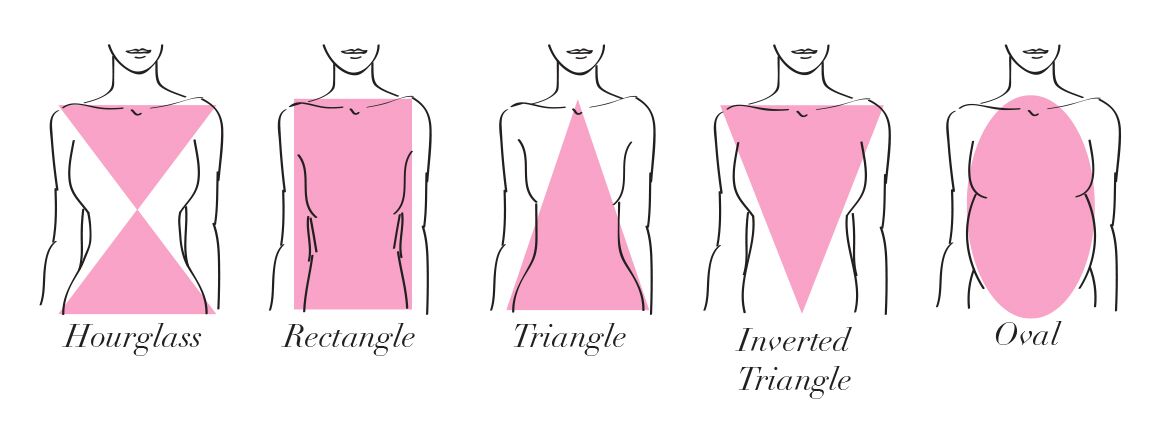
Like shoes, your most basic bag color usually relates closely to your hair. Coordinate the bag’s shape with the degree of curve or angularity in your facial features. Match a purse to your body scale with this easy test we will share with you.
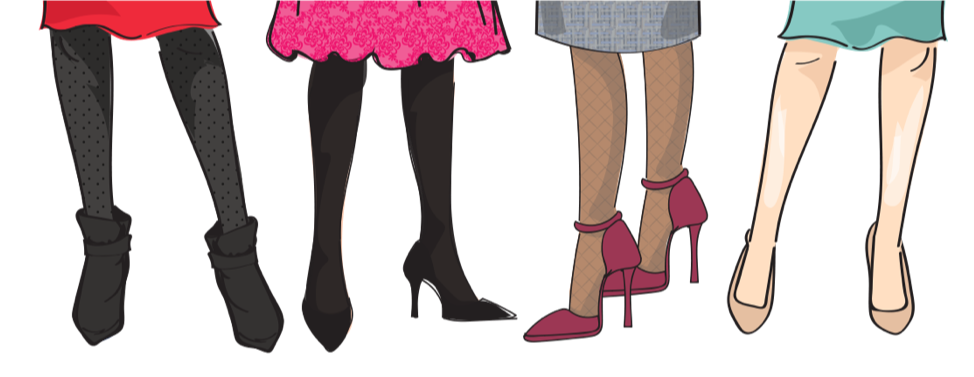
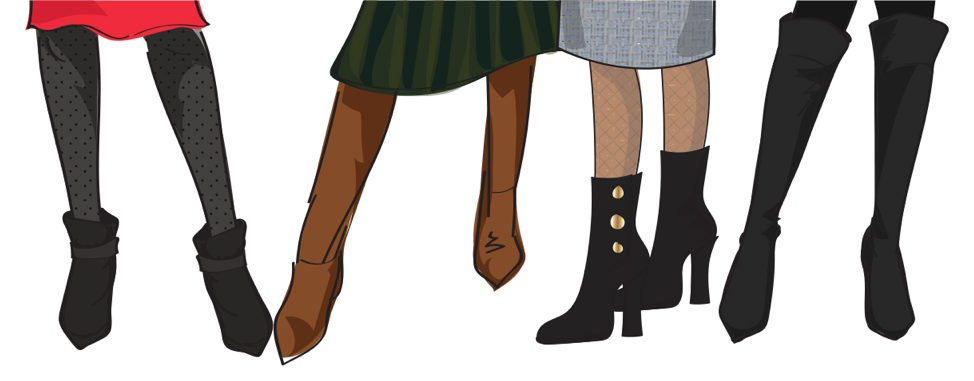
In conservative professions like law and finance, hosiery is generally expected when wearing a skirt or dress in most climates and countries. In more relaxed work environments, bare legs and sandals can be acceptable if your dress code permits it, your legs are in great shape, and your feet freshly pedicured. With formal and cocktail attire, bare legs are acceptable with a toned, healthy and pedicured look. Ultra-sheer hosiery with a subtle sheen is a fashionable alternative for those who prefer coverage.
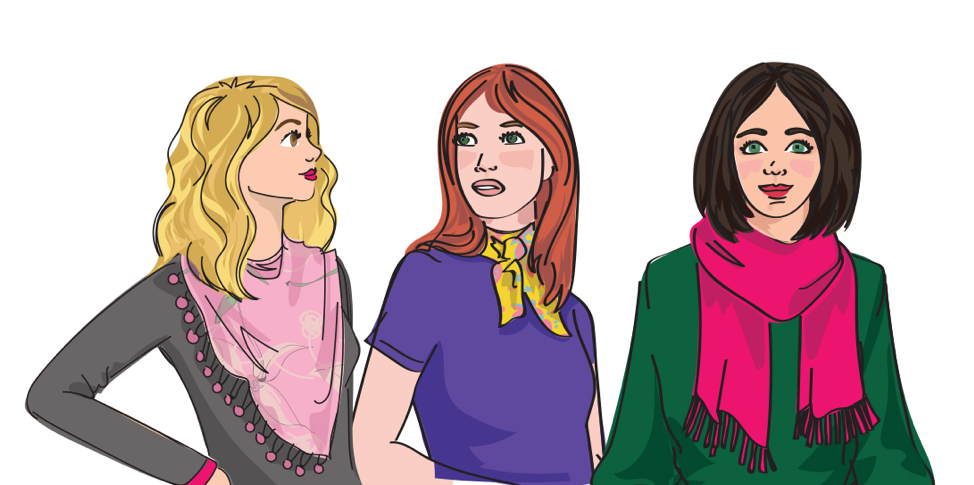
Scarves really are wardrobe magicians. They can add instant polish, color, spirit and pizzazz to almost any outfit. They can link unexpected color combinations into sophisticated outfits. They can bridge a less-flattering color to your facial color pattern. They form a powerful focal point near your face, pulling attention away from any figure challenges. Scarves almost never wear out, so you can enjoy your investment for years.
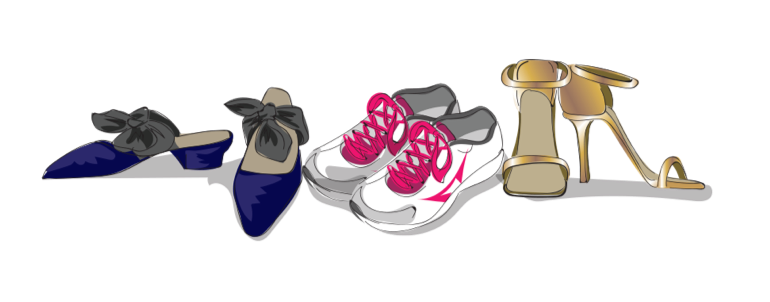
The most basic shoe for a woman is a low-heeled closed- toe pump in your key neutral- typically a color closely related to your hair color. Black to be the universal neutral, it isn’t a great shoe choice if it isn’t part of your personal color fan. With a skirt, a lower vamp (top opening of the shoe) leaves more of your foot visible and elongates your legs. Peep-toe and sling-back styles expose more skin. With pants, a higher vamp brings the shoe color up to meet the pants hem. Avoid ankle strap styles unless you have very long, trim legs and can afford their shortening effect. Lighter weight styling and higher, thinner heels make a shoe dressier. Heavier material, thicker soles and shorter thicker heels move the styling in a more casual direction.
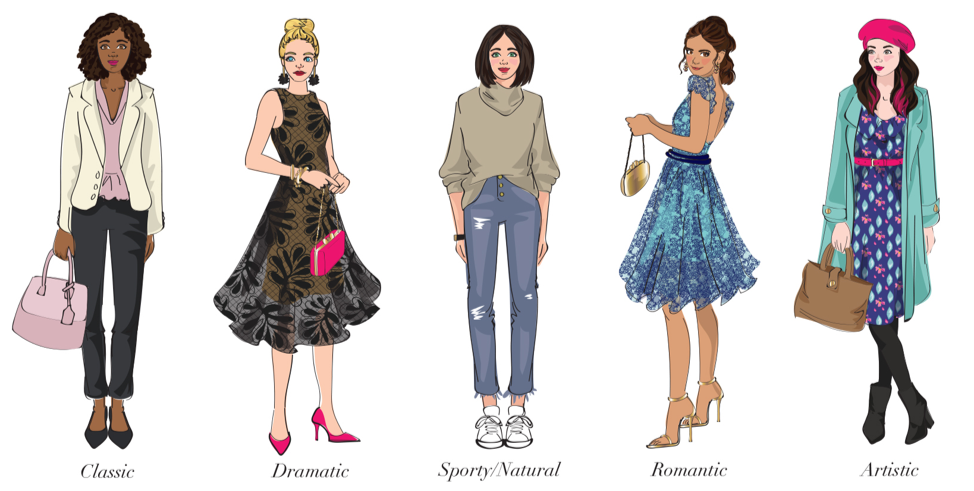
Dressing well is more than connecting your clothes and accessories to your physical attributes. It’s also about who you are and what you project as a person-your personal style.
The relative proportion of color or design elements can make or break a look. A balanced 50:50 ratio is usually dull and uninspiring. Unbalanced proportions are more pleasing to the eye. For example, pair a shorter jacket with a longer skirt or trousers. A longer jacket works best over a short skirt, not a mid-calf one. The ideal is to create a 3:5 ratio – the so-called Golden Mean. But a simpler 1:2 ratio is almost equally effective. In evaluating proportion in an ensemble be aware that components other than the actual garment may need to be considered. For example, black tights appear as an extension of a black skirt. Dark brown hair extends the visual area of a dark brown jacket.